Farming means gambling with nature. Drought kills corn. Insects destroy soybeans overnight. A tractor dies right when wheat needs cutting.
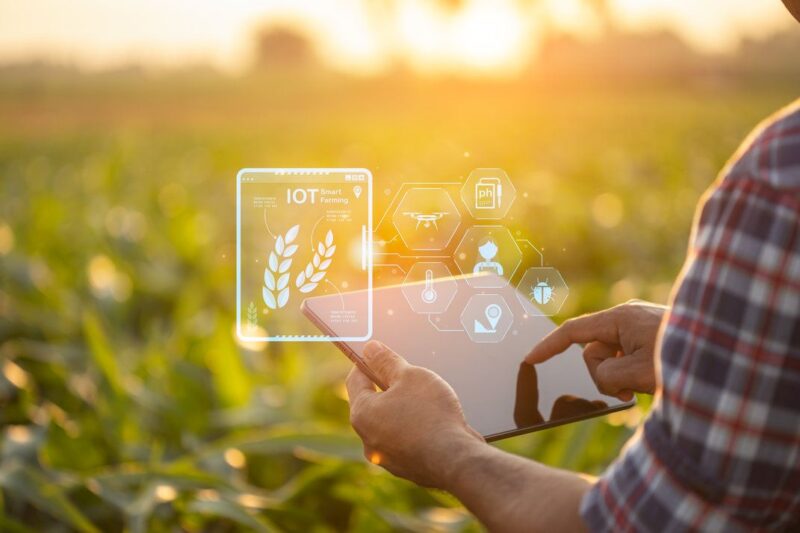
One field thrives, another fails, inexplicably until it’s too late. Farmers once trusted intuition and tradition. Sensors and satellites now track every acre. They are replacing hunches with data.
The Hidden Dangers Farmers Face Daily
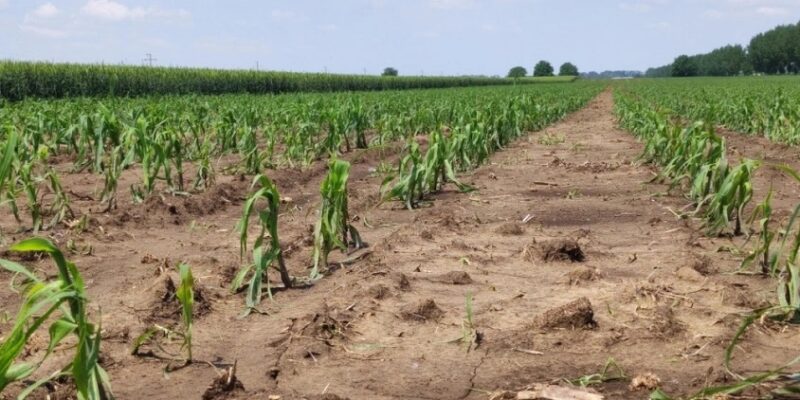
Bad stuff happens on farms when nobody’s looking. Fungus starts eating wheat in the back forty. It takes five days before you see it.
By then you’re spraying half your land with expensive chemicals. An irrigation pipe cracks underground.
Water pours out for a week before the bill shows up. While you were sleeping, the temperature fell.
The result was $50,000 worth of strawberries being destroyed.
Machines break exactly when you need them most. Combine harvester coughs and dies during the only dry week in October.
Miss that window and your wheat gets too wet to sell. Water pump burns out during a drought. Grain dryer stops working right when rain-soaked corn needs saving. Fix it fast or lose everything.
How Data Changes Everything
Farms today pump out numbers like factories. Dirt sensors check moisture levels all day long. Weather gadgets measure rain, wind, and heat in twelve different spots.
Flying cameras photograph fields every Thursday, catching sick plants before human eyes notice. Tractors with GPS remember exactly where they sprayed what chemical last Tuesday.
Problems show up on screens before they show up in fields. Soil sensor says section 3 is bone dry? Fix the sprinkler before plants start dying.
Drone photos show weird brown spots near the oak tree? Spray for aphids while it’s still a small patch. Weather computer says frost coming? Fire up the smudge pots tonight.
Connecting the Farm’s Digital Network
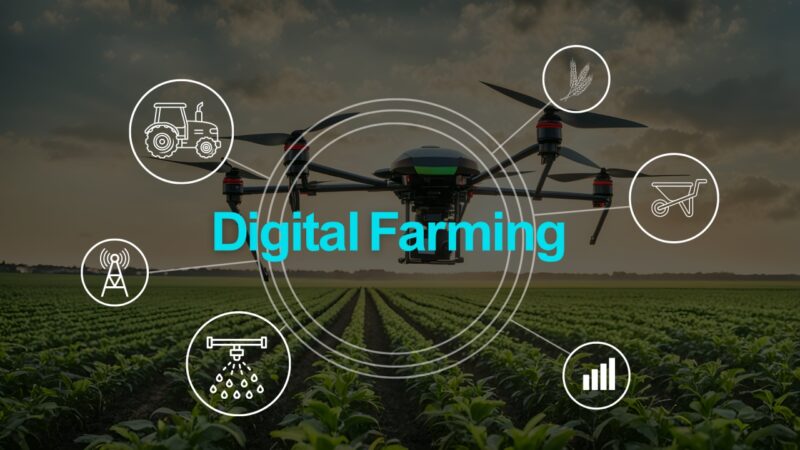
Field sensors must communicate with office computers. Precision farming connectivity links many devices on large farms.
Companies like Blues IoT cracked this puzzle by building networks that work where internet and cell towers don’t exist.
Remote fields stay connected without laying twenty miles of cable or praying for cellular signals that never come.
Connected setups run themselves. Soil sensors tell sprinklers to turn on. Grain bins scream when humidity climbs too high.
The spraying drone knows what the tractor already covered yesterday. Farmers watch everything from their couch on a phone app.
Making Smarter Decisions With Complete Information
Numbers beat hunches every time. Section 7 needs 20% less fertilizer than section 8; soil tests prove it. Harvest happens October 3rd, not “sometime in October”.
While the buyer is offering $4.50 a bushel, your quality data suggests you should be asking for $5.25.
Banks love data. Loan officer sees five years of yield records instead of “trust me, I’m good for it”.
Insurance stops charging you for regional hail damage when your weather station proves no hail hit your land. Grain elevator pays premium prices when moisture sensors prove perfect drying.
Each year makes next year smarter. Worst producing acres get different treatment or different crops.
Pest problems from three Julys ago warn you to spray preventatively this July. That expensive planter looks worth it when data shows 15% yield increases on farms using it.
Conclusion
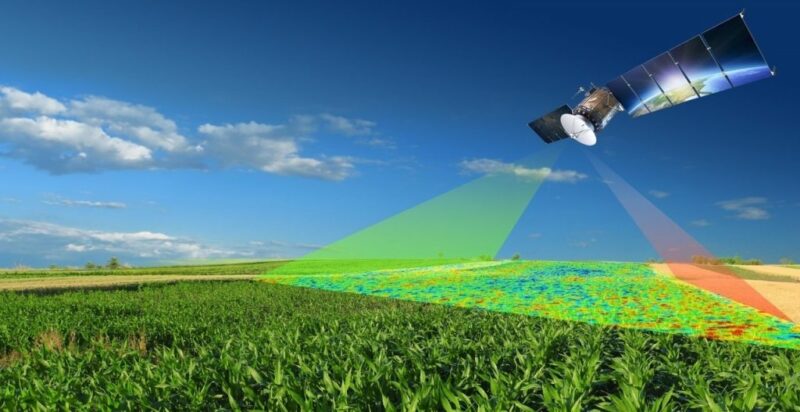
Unforeseen challenges pose the greatest threats to farming. A vast network of sensors and systems now monitors for potential problems.
They detect them early enough for effective intervention. Warnings will be delivered via text message.
This helps to prevent crop loss. Spreadsheets containing facts guide decisions, replacing uncertain assumptions.
Farming will always involve risks. Today farmers though can anticipate, quantify, and address it with data rather than simply relying on luck.